
Raw+ Spreads Read in Cents, Not Dollars per Lot · FxPro India
Real spreads we recorded on FxPro’s own MetaTrader 5 Raw+ feed — 6 instruments, 3,714,831 ticks sampled, last captured 2026-09-15. The spread you actually trade on, not a marketing ‘from 0.0’.
Open FxPro Account →Every figure in the tables below is quoted per standard lot, and a small account trades hundredths of one — so reading this page on a hundred-dollar balance is one division, with a single exception. Spread cost divides cleanly: it is strictly proportional to volume, so a 0.01-lot ticket pays exactly a hundredth of the per-lot cash figure in the cost table. The commission does not. A hundredth of the quoted $3.50 per lot per side is three and a half cents, a ticket settles in whole cents, and the smallest order therefore pays a higher effective rate per lot than the larger sizes we measured. That single rounding is the gap between the all-in cost you get by dividing by a hundred and the one you actually pay, and it is why the break-even in pips is fractionally wider on the smallest ticket than on a full lot. Contract size decides the rest: 0.01 lot is 1,000 units on an FX major and a whole ounce on gold, where the contract is 100 oz.
This is the live, hour-by-hour measured spread feed (refreshed daily). For the Standard vs Raw+ cost comparison and fees, see our spreads & costs page.
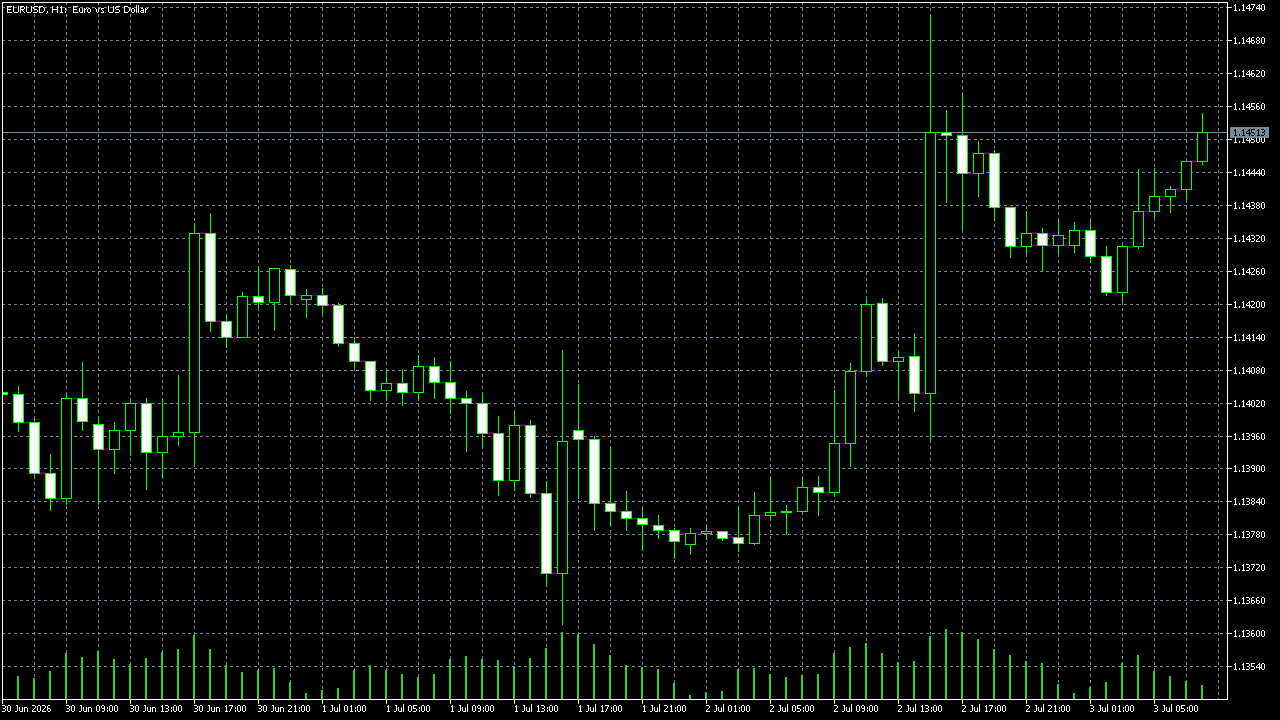
Measured Raw+ spreads (pips)
| Instrument | Best (min) | Typical (median) | Busy market (p90) | At capture | Ticks sampled |
|---|---|---|---|---|---|
| EUR/USD | 0.1 | 0.2 | 0.2 | 0.2 | 457,098 |
| GBP/USD | 0.6 | 0.6 | 0.6 | 0.6 | 590,492 |
| AUD/USD | 0.2 | 0.4 | 0.8 | 0.4 | 511,715 |
| USD/CAD | 0.1 | 0.4 | 0.5 | 0.4 | 465,429 |
| USD/JPY | 0.3 | 0.3 | 0.5 | 0.3 | 717,421 |
| XAU/USD (Gold) | 15 | 15 | 19 | 15 | 972,676 |
Best = the tightest quiet-market quote we saw; Typical = the median you usually trade; Busy market = the wider spread to expect about 10% of the time (news, rollover, thin liquidity). ‘At capture’ is the live spread at the last reading. Metals such as XAU/USD use a different contract size, so their cash cost is on our gold page. Server FxPro-MT5 Demo, feed 2026.09.15 14:10:41.
Spread through the trading day (measured, last 24h)
| Instrument | Tightest (avg) | Widest (avg) | Worst spike | Through the day |
|---|---|---|---|---|
| EUR/USD | 0.2 (03:00) | 1.782 (00:00) | 9.5 (00:00) | |
| GBP/USD | 0.6 (03:00) | 3.627 (00:00) | 15 (23:00) | |
| AUD/USD | 0.292 (14:00) | 3.98 (00:00) | 25 (23:00) | |
| USD/CAD | 0.292 (09:00) | 2.318 (00:00) | 13.6 (23:00) | |
| USD/JPY | 0.3 (09:00) | 7.082 (00:00) | 16 (23:00) | |
| XAU/USD (Gold) | 15 (09:00) | 75.421 (00:00) | 175 (00:00) |
Table hours are FxPro server time (about UTC+3 / EET); the highlighted guidance above is shown in IST. Average pip spread by hour over the last 24 hours, with the worst single-tick spike. Spreads run tightest in the peak London–New York overlap and widen around the 00:00 server rollover and the thinner Asian hours — the sparkline is each instrument’s daily shape.
What it costs you per lot (Raw+)
| Instrument | Typical spread | Spread cost / lot | Commission (round turn) | All-in / lot | All-in (pips) |
|---|---|---|---|---|---|
| EUR/USD | 0.2 pips | $2.00 | $7.00 | $9.00 | 0.9 pips |
| GBP/USD | 0.6 pips | $6.00 | $7.00 | $13.00 | 1.3 pips |
| AUD/USD | 0.4 pips | $4.00 | $7.00 | $11.00 | 1.1 pips |
| USD/CAD | 0.4 pips | $2.87 | $7.00 | $9.87 | 1.37 pips |
| USD/JPY | 0.3 pips | $1.94 | $7.00 | $8.94 | 1.38 pips |
| XAU/USD (Gold) | 15 pips | $15.00 | $7.00 | $22.00 | 22 pips |
All-in round-turn cost for one standard lot (100,000 units): typical spread × pip value, plus the $7 Raw+ commission ($3.50 per lot per side ($7.00 round turn) on Raw+ and cTrader accounts). On a Standard account you pay a wider spread instead of that commission — see the full spreads and costs page.
Open FxPro Account →Advertised ‘from 0.0’ vs what we measured
FxPro markets Raw+ as spreads ‘from 0.0 pips’ — a best-case floor. Across our sample the tightest EUR/USD quote we recorded was 0.1 pips and the typical was 0.2 pips. That is normal: the ‘from’ figure is a floor you rarely trade on, so judge a Raw+ account by its typical spread and how far it widens under load (the p90 column), not the headline number.
How we measured this
- Recorded on FxPro's own MetaTrader 5 Raw+ account — the broker's real pricing feed, not a third-party estimate.
- Captured in-terminal by an MQL5 expert advisor that logs every tick's bid and ask, so the spread is exactly what the platform shows.
- 3,714,831 ticks across 6 instruments; the figures refresh on a schedule.
- Demo and live Raw+ share the same pricing feed, so these spreads are representative of a funded account.
Spreads are variable and widen around high-impact news and the daily rollover. Past readings do not guarantee future spreads. Last updated 2026-09-15.
One division, one exception
A measured feed is only useful once it is expressed in the size you actually send. The minimum order here is 0.01 lot, so every cash figure in the tables above is a hundred times larger than the one on your ticket. The spread half of the cost obeys that arithmetic exactly — it is proportional to volume, with nothing added and nothing rounded — so a hundredth of a lot pays a hundredth of the spread cost, on every instrument in the table.
The commission half does not. Our round-trips paid the quoted $3.50 per lot per side at 0.1 lot and at 1.0 lot; at 0.01 lot a hundredth of that rate is three and a half cents a side, the ticket settles in whole cents, and the effective rate per lot comes out higher. That one rounding is why the smallest all-in cost sits a little above a hundredth of the per-lot figure, and why its break-even in pips is fractionally wider. The Raw+ account page prints the measured commission at each order size.
Where the cents land
Divide the all-in column by a hundred and the shape of the bill changes. Per standard lot the spread dominates on the wide instruments and the $7 round-turn commission dominates on the tight ones. On a 0.01-lot ticket the commission is a fixed few cents on every row, so on the majors it takes most of the bill, while on gold the spread still leads. That is not an argument for or against either instrument — it tells a small account which number to watch when the feed moves.
A widening spread barely touches the cost of a ticket whose bill is mostly commission, and moves it directly where the bill is mostly spread. The hourly table above shows when each instrument is at its widest, and the same reading applies at any size, because the quoted spread does not depend on how much you send.
The floor sits under the ticket, not under the spread
It is worth being precise about what does and does not depend on your size. The quoted spread does not: the same number is shown to a 0.01-lot order and to a ten-lot one, and the minimum, median and busy-market columns above apply to both. The cash it turns into does, proportionally. The commission is the only element with a floor beneath it, and that floor is what makes the smallest ticket the most expensive one per lot.
So a small account gets the whole of the measured spread advantage and pays a slightly worse commission rate for it. Both halves are set side by side on the Standard versus Raw+ cost overview, and the size rules behind the floor — minimum order, lot step and contract size — are on the measured trading conditions page.
What changes and what does not when the ticket is 0.01 lot
| Cost element | From one lot to 0.01 lot | Where to read it |
|---|---|---|
| Quoted spread (pips) | Unchanged — the same quote is shown at any order size | Measured spread table on this page |
| Spread cost (cash) | Divided by a hundred, exactly | Cost per lot table on this page |
| Commission | Tiered — the smallest ticket pays the highest rate per lot | Commission by order size, Raw+ account page |
| Overnight swap | Divided by a hundred, exactly | Measured swap rates page |
| Execution speed | Unchanged — no size penalty in our measurements | Execution table, trading conditions page |
| Minimum order | 0.01 lot, in 0.01-lot steps — the floor under all of the above | Contract specifications, trading conditions page |
Cash figures on this page are quoted per standard lot. This table says which of them a 0.01-lot ticket divides by a hundred and which it does not.